Are you ready to grow up your business?

Decoding Digital Assets - Essential Crypto Tax in Bloomfield Expertise
Are you actively trading, staking, or earning in the complex world of digital assets, but struggle to keep up with the IRS's rapidly evolving rules? Your intent is to ensure perfect compliance, avoid costly penalties, and leverage every legal capital loss offset without risking an audit. With over two decades of financial expertise, we provide specialized Crypto Tax in Bloomfield services, transforming chaotic transaction histories into accurate, audit-proof tax returns. This expertise is more vital than ever: the IRS has significantly increased its focus on digital asset compliance, with some estimates suggesting that crypto holders face an audit rate up to five times higher than the average taxpayer due to reporting inconsistencies.
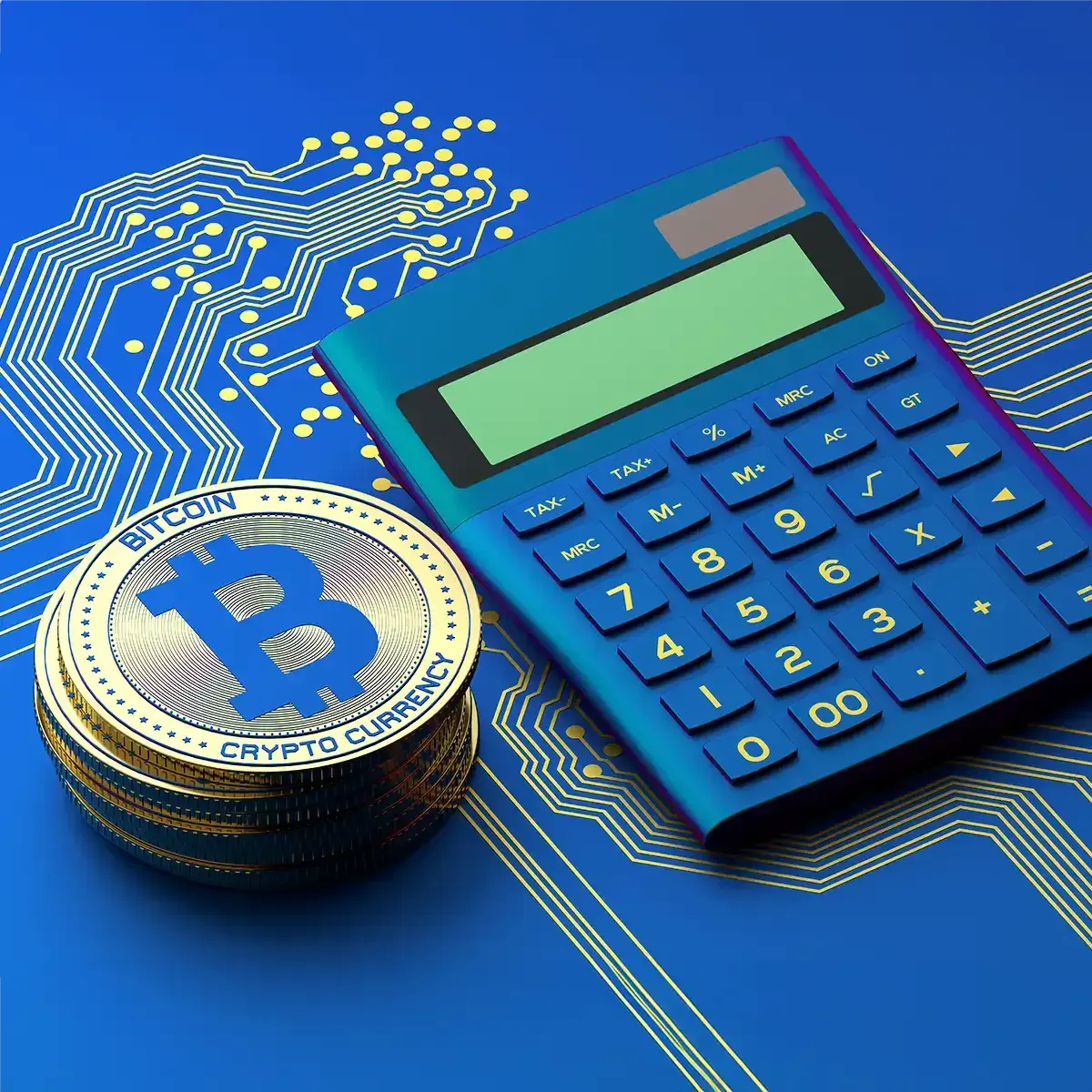
The Imperative of Accurate Cryptocurrency Taxability
The fundamental principle governing digital assets in the U.S. is that the IRS treats cryptocurrency as property, not currency. This distinction is the source of complexity, as it means almost every transaction triggers a taxable event that must be tracked and reported.
When dealing with taxes on crypto, simply buying and holding a digital asset with fiat currency is generally non-taxable. However, taxable events are frequent and often missed:
- Selling Crypto for Fiat: The most common event, resulting in a capital gain or loss.
- Trading Crypto-to-Crypto: This is treated as a sale of one asset (triggering gain/loss) and the simultaneous purchase of another.
- Spending Crypto: Using digital assets to purchase goods or services is a taxable disposal.
- Earning Crypto Income: Receiving crypto from mining, staking, or airdrops is generally taxed as ordinary income upon receipt, with the fair market value forming the cost basis for future capital gains calculations.
We specialize in meticulously calculating your cost basis for every transaction, using accepted methods like FIFO, LIFO, or Specific Identification to legally minimize your realized capital gains.
Accurate reporting requires classifying your gains or losses based on your holding period:
- Short-Term: Assets held for one year or less are taxed at your ordinary income rate.
- Long-Term: Assets held for more than one year qualify for the lower, preferential capital gains rates.
Our service ensures proper classification and helps maximize the use of tax-loss harvesting, offsetting gains with losses to lower your overall tax bill. We provide a meticulous Crypto tax in Bloomfield solution, ensuring every digital asset transaction is categorized and reported accurately on Form 8949 and Schedule D.
The world of digital finance extends past simple buy-and-sell transactions. Our expertise covers niche but high-risk areas:
- DeFi and Lending Protocols: Determining taxable income from interest or yield farming rewards, and navigating the complexities of liquidity pool transactions.
- NFTs: Correctly reporting the sale of Non-Fungible Tokens, which are typically treated as capital assets or collectibles.
- International Exchanges: Ensuring compliance with FinCEN Form 114 (FBAR) for assets held on non-U.S. exchanges, a major IRS enforcement area.

Why Choose CT Tax Services?
For over 20 years, CT Tax Services has established a record of Expertise, Authoritativeness, and Trustworthiness (E-A-T) in complex financial compliance. Our specialized knowledge in digital asset taxation ensures your filings are precise, compliant, and optimized for maximum tax efficiency. We take the anxiety out of cryptocurrency taxes.
Don't let the complexity of digital assets put your financial future at risk. Professional guidance is the only safeguard against reporting errors and subsequent IRS scrutiny. Secure peace of mind and maximize your capital retention with definitive Crypto tax in Bloomfield expertise.
Ready to ensure your crypto holdings are 100% compliant and fully optimized? Contact CT Tax Services today to schedule your specialized crypto tax consultation!
Common Queries
Frequently Asked Questions
Do I have to report cryptocurrency transactions if I lost money?
Yes. You must report all sales, trades, or disposals, even if they resulted in a loss. Reporting losses is essential, as they can be used to offset capital gains and reduce your taxable income.
Is transferring crypto between my own wallets a taxable event?
No. Transferring crypto between wallets or accounts that you own and control is generally not a taxable event, but accurate record-keeping of the transfer is essential to maintain your original cost basis.
What is the biggest mistake people make with cryptocurrency taxability?
The biggest mistake is failing to report crypto-to-crypto trades or transactions where crypto was used to buy goods, based on the misconception that taxes are only due when cashing out to fiat currency.
What records do I need to keep for cryptocurrency and taxes?
You need records for every transaction: date, time, fair market value in USD at the time of the transaction, type of asset, number of units, and the cost basis of the asset being disposed of.
Can I use my mining or staking income to offset expenses?
Yes. If you are engaged in mining or staking as a business, you can deduct the ordinary and necessary expenses (like electricity and hardware depreciation) related to that income on Schedule C.
Why is Crypto tax in Bloomfield more complicated than stock taxes?
The main complication stems from the high volume of micro-transactions, the lack of centralized reporting across all platforms, and the need to determine the USD fair market value at the exact time of every trade, reward, or spend.
What happens if I receive an IRS letter about my crypto holdings?
Do not respond directly. Immediately contact a professional. An IRS notice often indicates discrepancies between exchange reports and your filing. We will manage all communication and prepare the necessary documentation for defense.